How to talk to people you don't agree with
A few things I've learnt from a career of difficult conversations, plus early access for members and a good week for awards
A couple of weeks ago I was buying lunch from a food stall in London, and the guy serving me said he was a big fan of the documentaries. Then he leant over the counter and said, "Can I ask you something? You always seem able to have difficult conversations with people you don't agree with without it turning into an argument. My sister-in-law is staying with us and won't leave. What do I do?"
I laughed, mainly because the honest answer is that I find this much easier at work than in my own life. When it's your family, everything is personal and nobody's holding a camera. But it did make me think, because he'd put his finger on what Zandland is really about. Almost every film we make involves sitting down with someone who sees the world very differently to me, and trying to understand them rather than beat them.
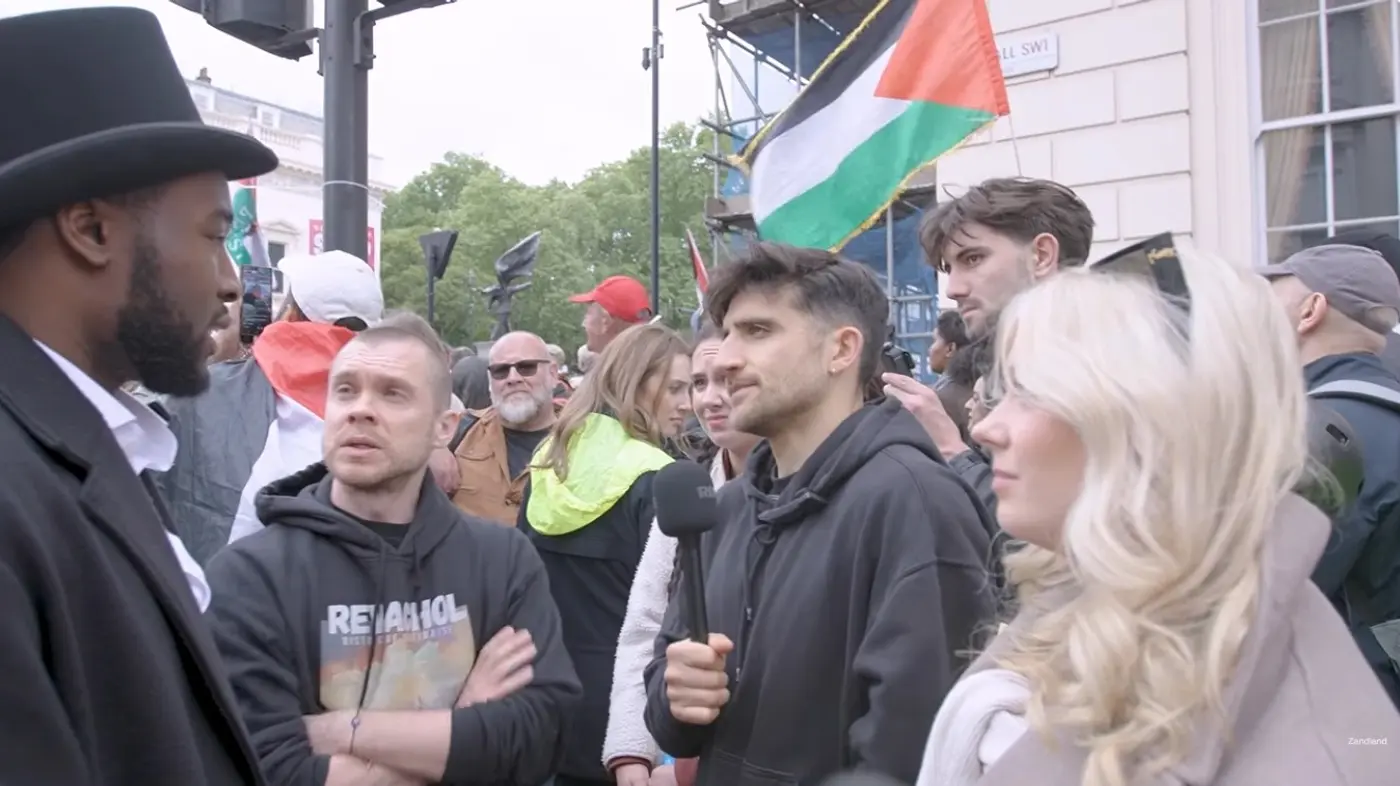
It's something we do a lot in our "bridges" films, where we put two people from opposite sides in the same place and let them talk. Like when I took a leftist to a right wing protest, or when a millionaire met a homeless man.
I wasn't always like this. When I was younger I was a staunch atheist, and generally a guy who always thought he was right, and I spent a lot of my teens and twenties trying to win arguments, about God and plenty else. I'm not sure I ever changed a single mind, and I certainly didn't learn anything. Eventually I realised it was getting me nowhere. And the longer I've done this job, the more I've been exposed to ideas and lives I'd never have come across otherwise. That's left me pretty sure I'm wrong about a lot of things and have a huge amount still to learn, which turns out to be a very useful starting point for a conversation.
So for my friend at the food stall, and anyone else with a sister-in-law in the spare room, here's roughly how I go about it.
1. Start with basic respect for who they are
Before you get anywhere near the disagreement, remember that the person in front of you has a whole life that brought them to this view. You don't have to respect the view, but you do have to respect the person, and they can always tell which one you're doing.
2. Be clear about what the conversation is for
I'll often say it out loud: "I might not agree with you on this, but I'm not here to change your mind, I'm here to understand it." Setting the terms early takes a lot of the heat out, because people relax when they know they're not about to be ambushed.
3. Lead with what you can genuinely understand
There's almost always something in someone's worldview that makes sense to you, even if you end up somewhere completely different. Say that first and mean it. When I sat with the tradwives, I could see how much they valued family and stability, even though I disagreed with where that took them. Starting from common ground makes the harder questions land very differently.
4. Don't try to win
Winning isn't converting them. Winning is getting to a point where you both understand each other a bit better than when you started. If you go in wanting a victory, they'll feel it and defend their position harder, and you'll both walk away more convinced you were right.
5. Ask, don't ambush
Questions asked out of curiosity get honest answers, while questions asked as traps get defensive ones. "How did you come to see it that way?" opens far more doors than "But how can you possibly believe that?"
6. Find the story behind the belief
Nearly every strong opinion has a personal story underneath it, like something that happened to them, someone they lost or somewhere they grew up. Once you find that story, the belief usually makes a lot more sense, even if you still don't share it.
7. Be able to explain their view back to them
A good test is whether you could describe their position in a way they'd say is fair. If you can't, you probably haven't listened properly yet, and they'll know it.
8. Notice when you're getting defensive
It happens to me too. The moment you feel your chest tighten and start planning your comeback while they're still talking, slow down. That's usually the point where the conversation is about to stop being useful.
9. It's fine to end without agreeing
Not every conversation needs a resolution. Sometimes the best outcome is that you both leave understanding why the other person thinks what they think, and the door stays open for next time. That's not a failure, and in most of our films that's the whole point.
I can't promise any of this will get the sister-in-law out of the house. But it might make the next few weeks a bit more pleasant. If you've got better advice for him, discuss in the comments.
Something new for members: films a week early
From next week we're trying something new for members, who'll get access to some of our documentaries a week before everyone else.
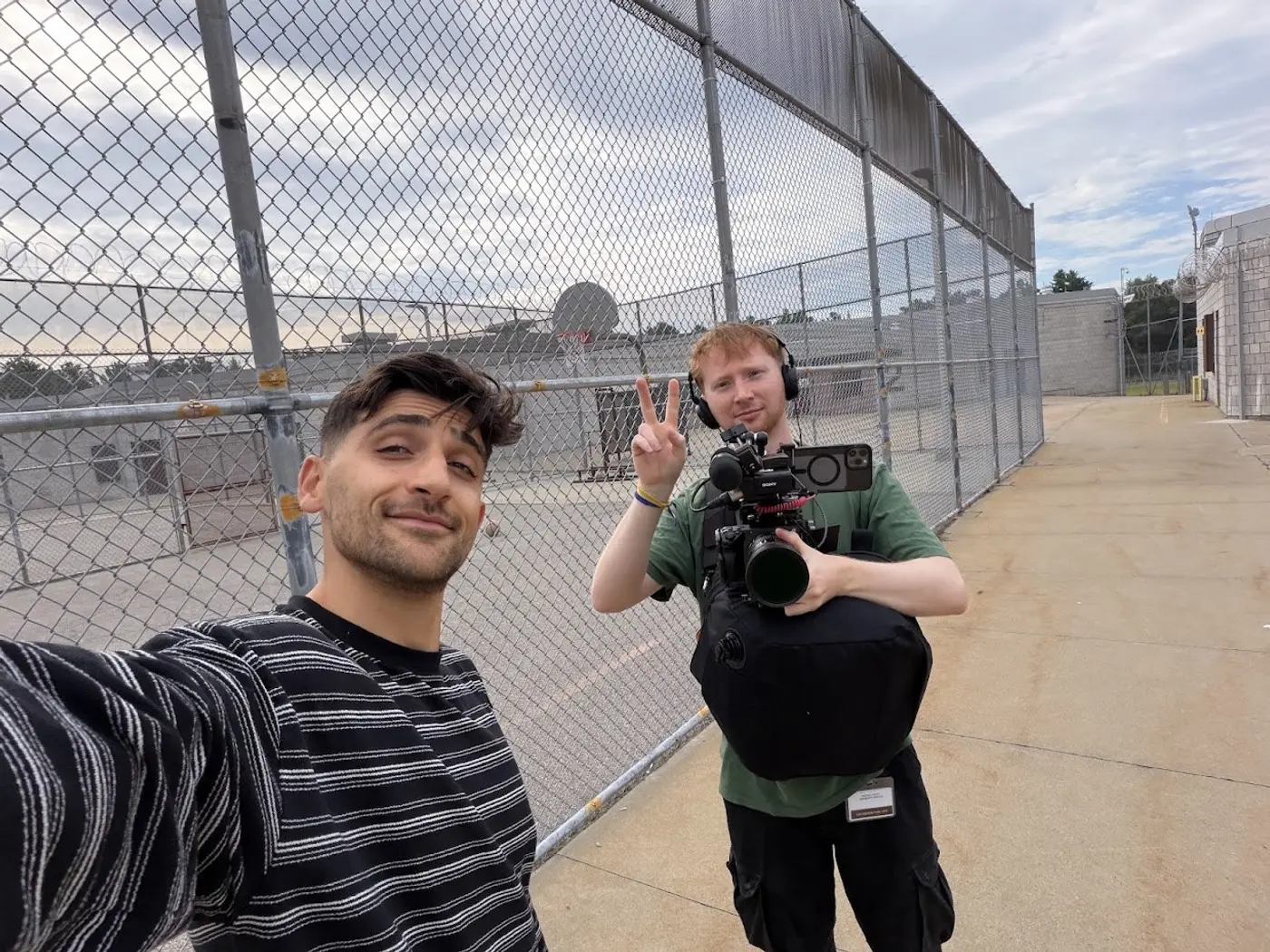
We're starting with our new jail series. Episode one, where I stay inside America's oldest jail, goes out on YouTube next week.

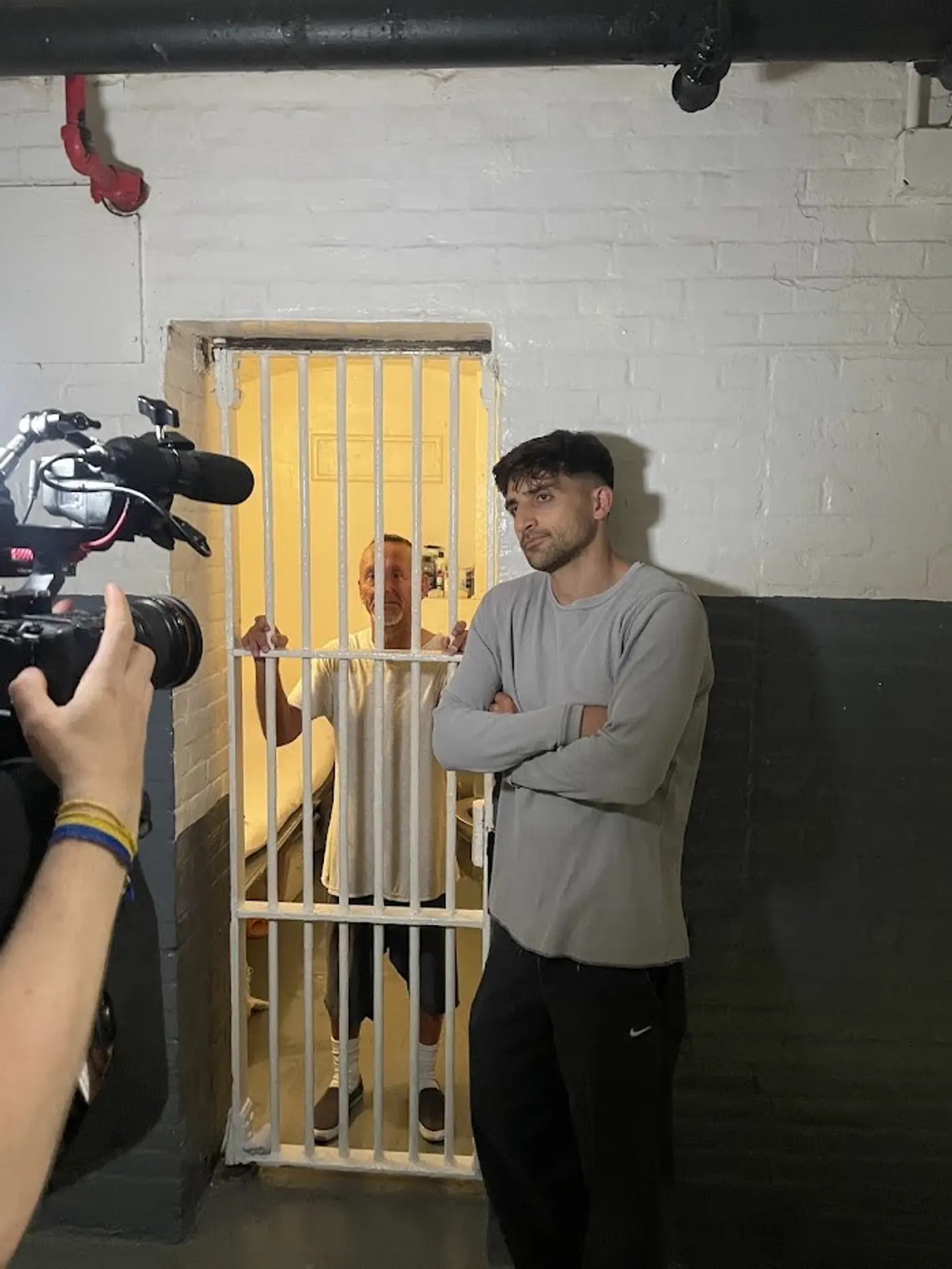
At the same time, members will be able to watch episode two right here on the Zandland website a full week before anyone else. In that one I go inside a jail where the doors don't lock.
We're trying hard to find perks that actually feel worthwhile rather than just a badge next to your name, so I'd really like to know what you think. Is early access something you'd be happy to pay for? Reply and tell me, and if you want in, you can join at zand.land/join.
And it's been a good couple of weeks
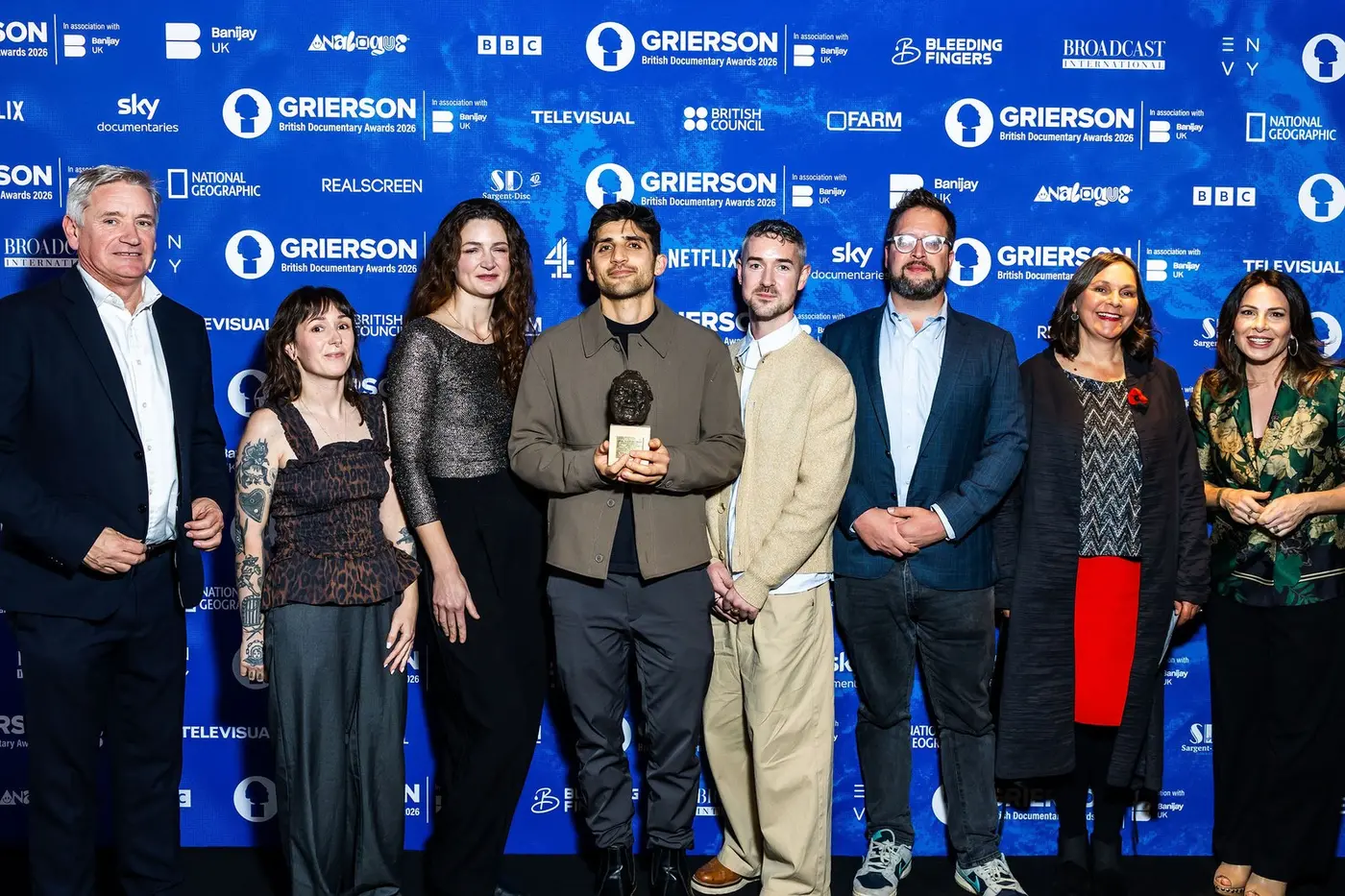
Last week we won Best Current Affairs at the Grierson Awards, one of the big British documentary awards, for Breaking Ranks. It was a lovely night, and a proper moment for everyone who worked on the film. Next week I'll be in New York for the International Emmys, where the film is also nominated, so fingers crossed.
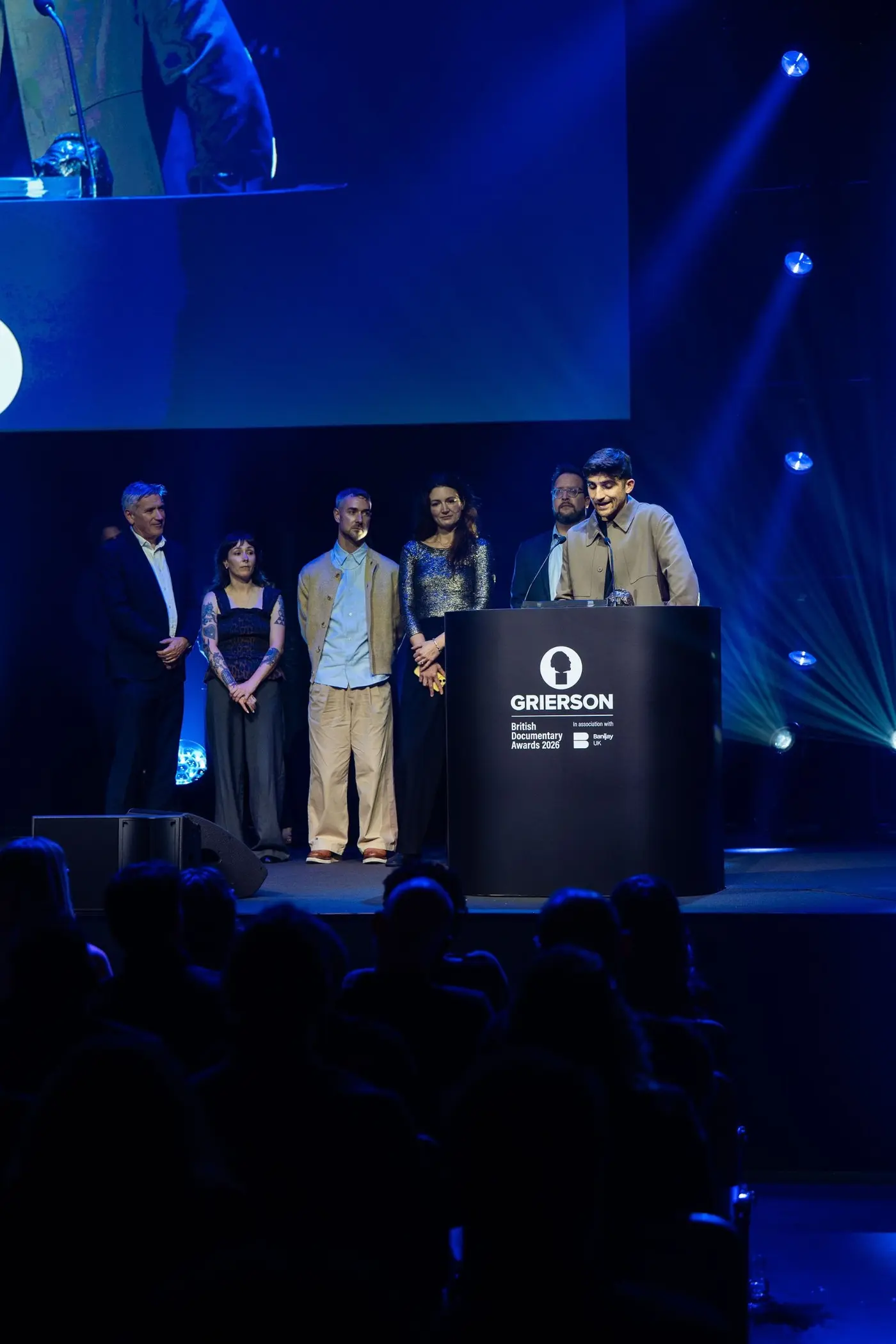
Breaking Ranks is up for a Bulldog Award in the UK too, and that one is decided by public vote. If you've got a minute, you can vote here: https://www.televisual.com/bulldogs/.
And our film from inside Iran, Inside Iran: War & Revolution, has just been nominated for a Rose d'Or, so all in all it's a very good time to be a Zandlander. Both films are on our YouTube channel now if you haven't seen them yet.
Ben Z
Comments
Nothing yet. Say what you think.
Sign in to comment. It takes a minute: just your email, no password.