Inside the dark world of British gangs
Kingpins: UK is out now, plus how you film in a house with no staircase
I've sat with a Sinaloa cartel trafficker who kept tigers and spent time with an arms dealer in Lebanon. But the episode of Kingpins that made me most nervous was the one set a few hours up the motorway from my house. I usually avoid filming with drug gangs in Britain for a simple reason: if they don't like what we put out, they don't have to look very hard to find me. This time we did it anyway, and Kingpins: UK is out now on our YouTube.
The house with no staircase
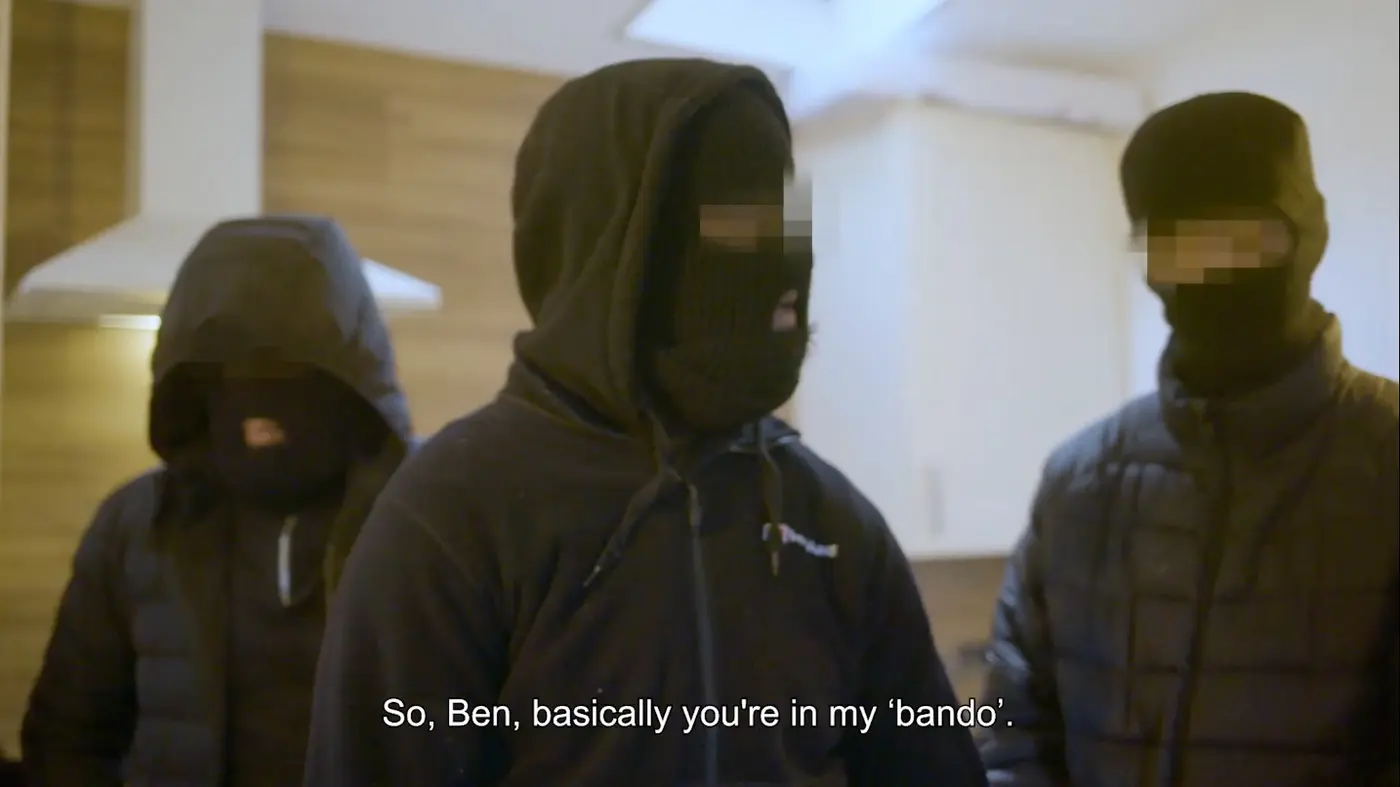
The film starts in a small town in the north of England, the kind with lovely stone buildings and an old industrial past. Gangs are increasingly moving into towns like this because there's less competition and the local police don't know their faces yet. We were given a location at the last minute, told we couldn't film anything on the way, and ended up at an ordinary terraced house, the sort you'd expect an old lady to live in.
Inside was a man we're calling Mr M, and his "bando". He's a wholesaler. Street dealers come to him for their weight, and he described himself, quite proudly, as the cash and carry of cocaine. The first thing I noticed was that the house had no staircase. He has it taken out of every property he buys, so nobody can get up to him unless his people lower a ladder. He also told me there's never a moment when nobody is in that house, and the way he said it made me believe him.
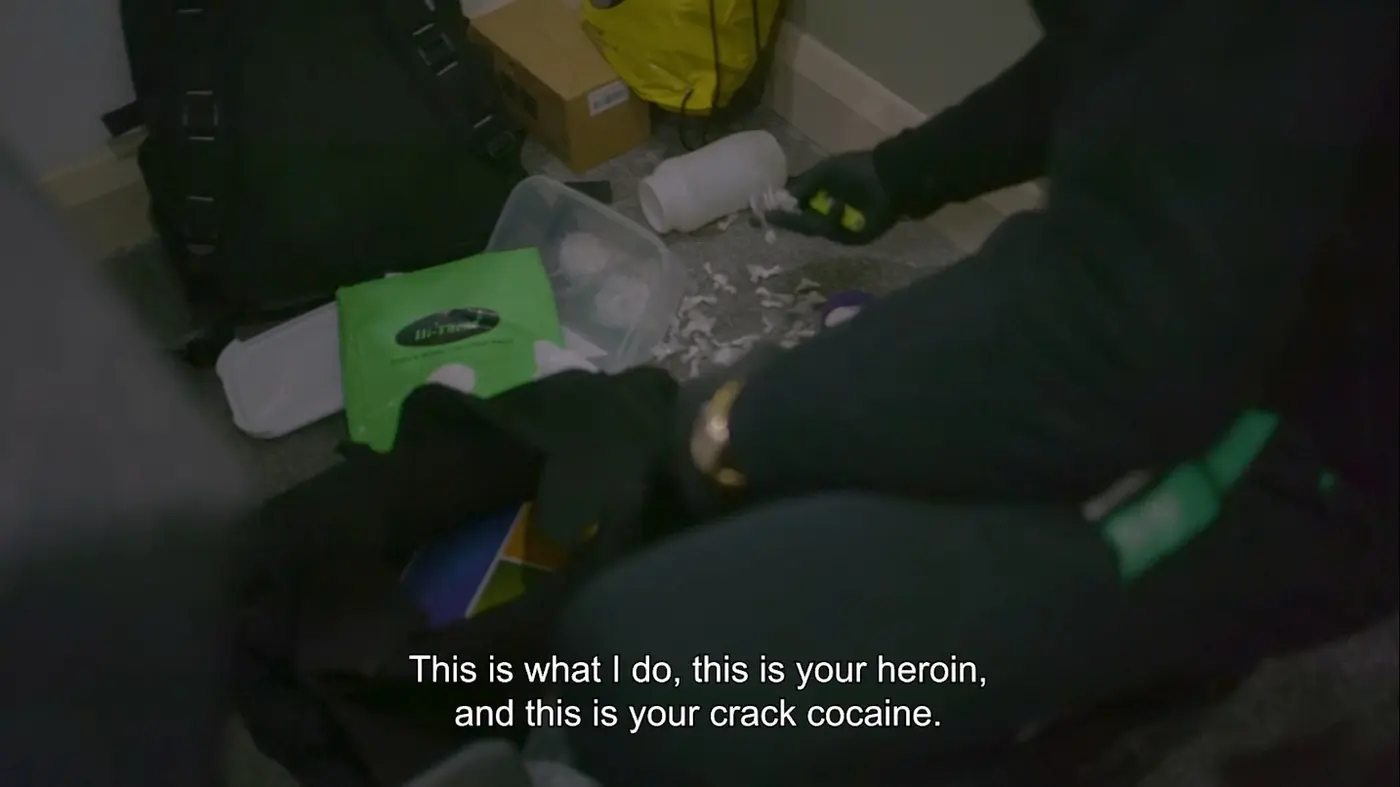
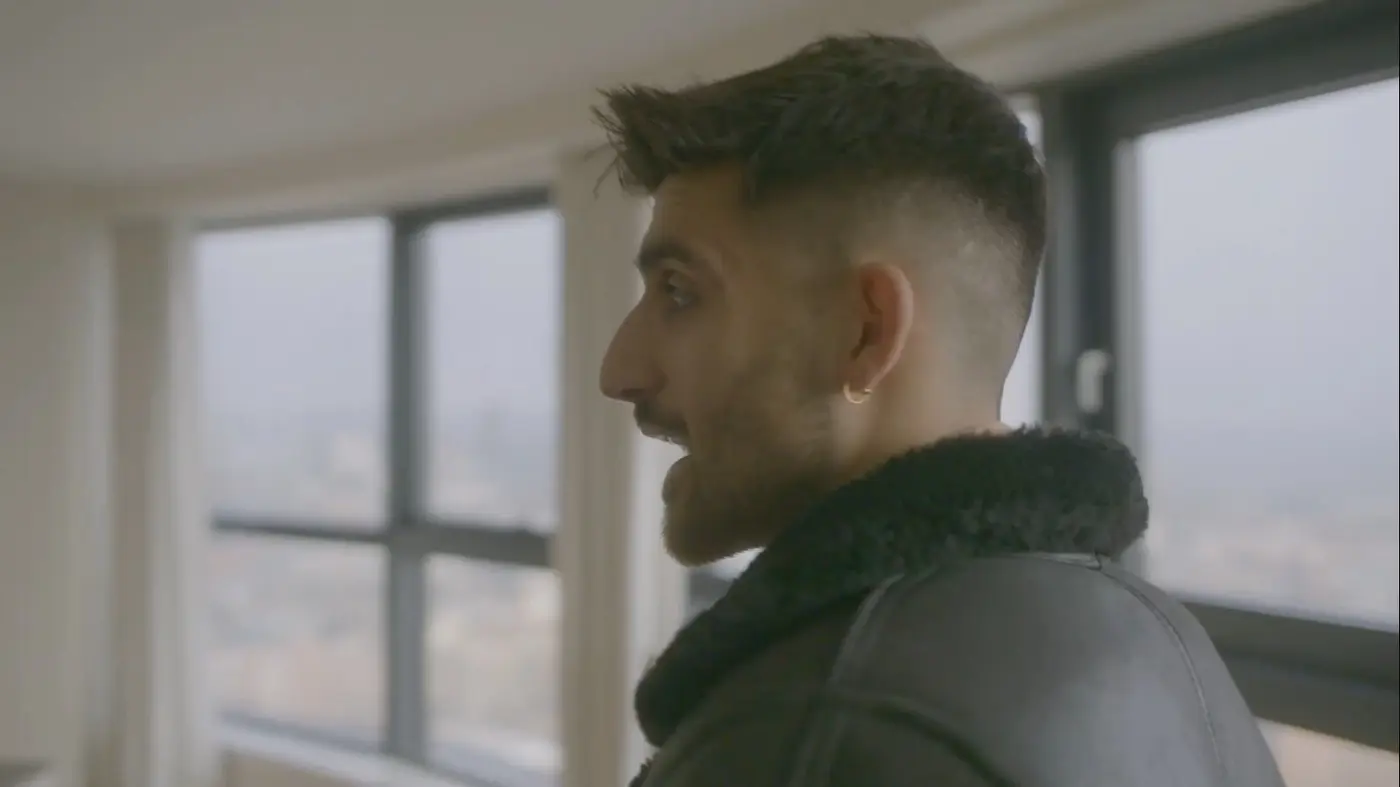
Mr M left home at 15 because he wasn't getting any love from his family, started selling a bit of weed, and now says he makes £16,000 to £18,000 a week in profit. I watched his team cook crack in a saucepan with bicarbonate of soda, and later I was shown round a penthouse belonging to someone even higher up the chain. It had panoramic views, expensive art and a copy of Think and Grow Rich on the side. Standing in that flat, I understood immediately why a teenager with nothing would look at it and decide this was the way out.

The people underneath
The bit that stayed with me wasn't the money, though. It was the people at the bottom of the chain. One of the users in Mr M's house, who we're calling Tom, started taking heroin seven years ago after his mum died. He now works for Mr M in exchange for money and drugs, and Mr M pays his gas and electric when he runs short. When I asked Tom what he sees when he looks in the mirror, he told me he doesn't like what stares back. Mr M, meanwhile, described him as a brilliant customer.
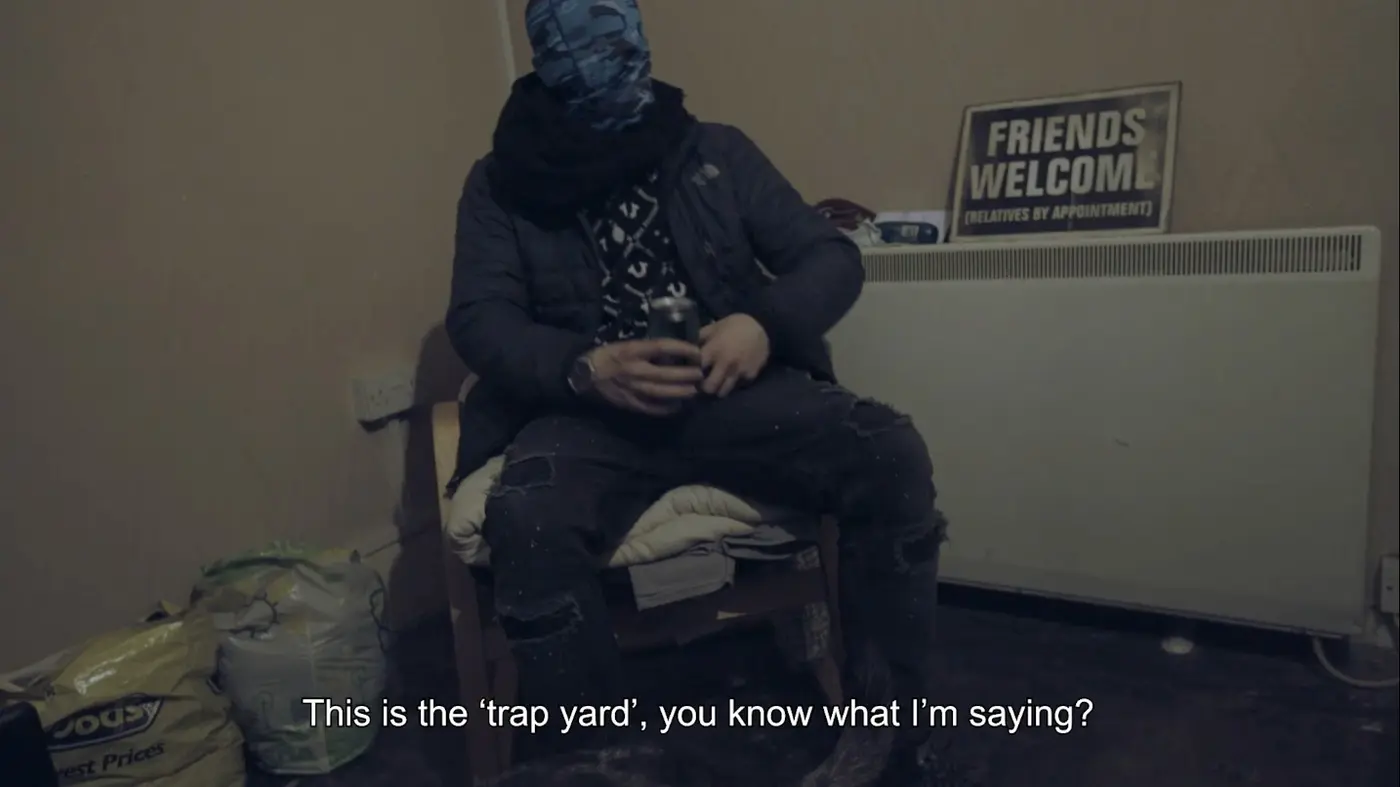
In a tower block elsewhere, a younger dealer took us into what he called "the office", which turned out to be the flat of a vulnerable addict the gang had taken over. It's called cuckooing, and it's how a lot of trap houses come to exist. There were kids playing upstairs while we filmed. Of all the moments across the whole series, that was the one I felt least comfortable in, and it's also where I most wanted to get out quickly.
The film isn't hopeless, though. At a rehab centre I met Jack, who spent years doing exactly what Tom does, survived an overdose and was 90 days clean when we spoke. He told me he can look at himself in the mirror again. That one conversation knocks down the claim I kept hearing from dealers, which is that nobody else is out there to help.
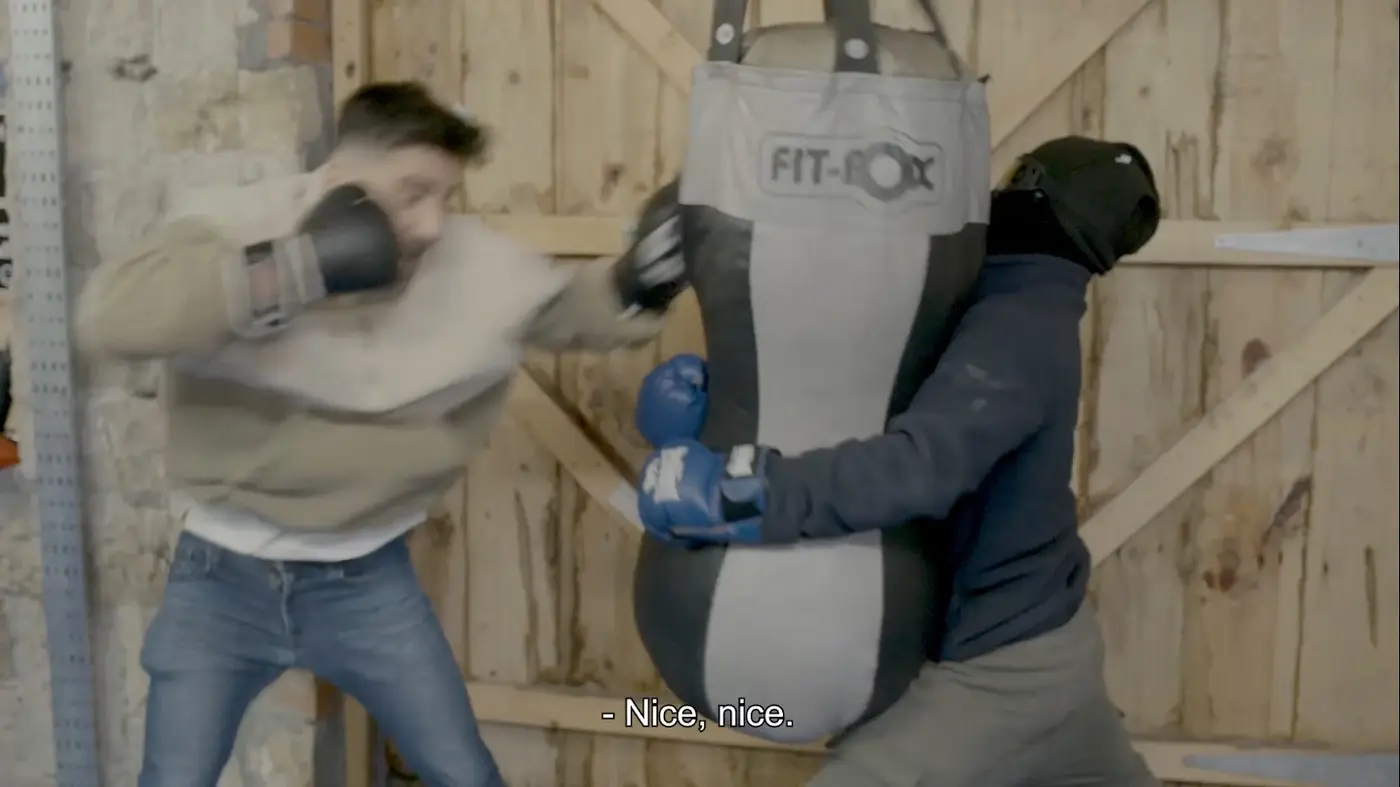
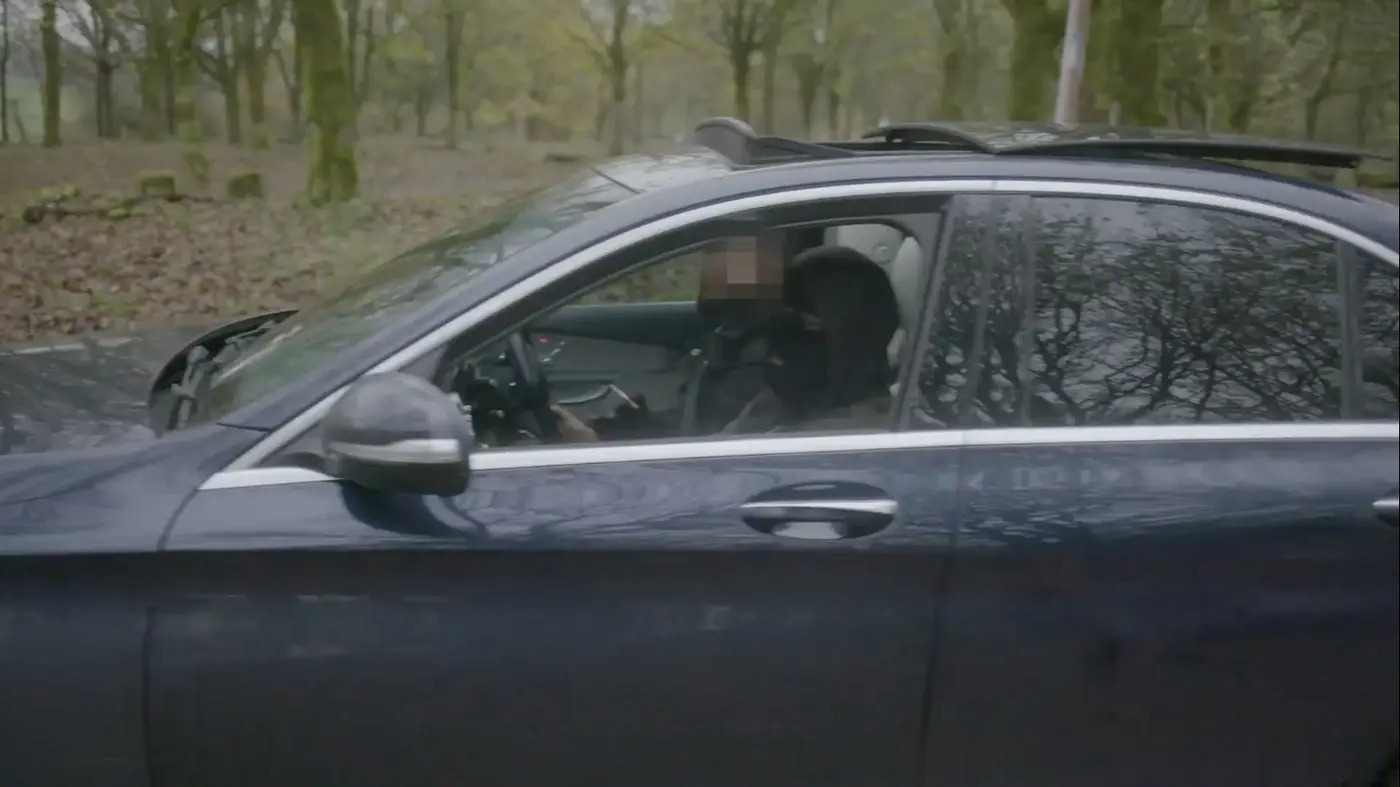
By the end I'd spent enough time with Mr M that he agreed to meet me in a forest for one last conversation, without his crew around him. He got more emotional than I ever expected. He said the last few days had made him question everything, and then he said the line that sums up the whole film for me: as soon as he leaves and his phone starts ringing, he's back to his normal life.
Zandland University: how do you get access to people like this?
I get asked this more than anything else, so here's a bit of how it actually works.
Most of it is time. The filming you see is a small fraction of the hours spent getting there, with weeks of conversations through people who know people before anyone agrees to meet a camera. Someone like Mr M has no reason to trust a journalist, so the first job is to show him we are who we say we are and that we'll stick to what we agree.
The rules are set before we turn up. In this case we agreed that no faces would be shown, that we wouldn't film the journey to any location, and that nothing would identify where we were. People sometimes ask why there's so much blurring in films like this. The answer is that it's the price of being let through the door, and it's also why people like Mr M are willing to be honest. Nobody tells you how much they earn from crack if they think their face will be on YouTube.
Being trusted doesn't mean being friendly about everything, though. Part of the deal, even if it's never said out loud, is that I'm going to ask the uncomfortable questions. I told Mr M to his face that crack ruins lives, and I asked a dealer whether he felt guilty about running his business out of an addict's flat. The skill is asking those things in a way that keeps the conversation going rather than ending it. Then there's safety, which nobody watching ever sees. We go in with a small crew and a plan for leaving, and we keep an eye out for the moment the mood changes, because with gangs it can change very quickly.
A word on how this gets covered
Most of the British media tells drugs stories from one of two places. Either it's the back of a police van at 6am, with a door going in and someone being led out in handcuffs, or it's a headline calling dealers scum. I understand why, but both versions stop at the door and never ask how someone ends up behind it. The opposite failure is all over the internet too, where the lifestyle gets turned into Rolexes and penthouses without anyone seeing the man who's been sleeping in a field.
What we tried to do with Kingpins is sit somewhere in the uncomfortable middle. That doesn't mean letting anyone off. Mr M had a choice, and he chose the money over the people being hurt by it, and the film says that plainly. But it also shows a man who was 15 and unloved when it started, and who, by his own account, is now addicted to the money in the same way his customers are addicted to what he sells. Hurt people hurt people. If you only ever see the handcuffs, you never get to that bit, and that's the bit that might actually help stop the next 15-year-old.
For members: making Kingpins
There's a members-only video where I talk about what it was actually like making the whole Kingpins series. That covers Mexico, Lebanon and the UK, the bits that didn't make the edit, and the moments I was more nervous than I let on. If you've ever wondered what's going through my head in those rooms, that's where I go into it properly.
Kingpins so far
The response to Kingpins Mexico has been huge, and thank you to everyone who's watched it and shared it. We're still working on getting the series available everywhere, so if it's blocked where you are, bear with us.
Kingpins: UK is out now. It's darker than Mexico, and it's closer to home, and I'd love to know what you make of it.
Ben Z
Comments
Nothing yet. Say what you think.
Sign in to comment. It takes a minute: just your email, no password.